Moving to Benidorm: A Guide for British Citizens and Expats
Benidorm, located on Spain’s stunning Costa Blanca, has long been a favored destination for expatriates, especially British citizens seeking a sunny and relaxed lifestyle. Its unique combination of Mediterranean climate, lower cost of living, and vibrant expat community make it an ideal choice for those considering moving to Spain from UK. The official register backs that up: our count of Brits living in Spain puts the Costa Blanca first among all British communities in the country.
One of the most attractive aspects of living in Spain, particularly in Benidorm, is the affordability compared to other European destinations. The cost of everyday essentials, such as housing and utilities, is notably lower, providing a high quality of life without breaking the bank. Additionally, its year-round mild climate makes Benidorm a perfect place for retirees and families alike.
Beyond the lifestyle perks, Benidorm offers a seamless integration process for British citizens post-Brexit, with clear steps for obtaining residence in Spain, applying for the tarjeta de identidad de extranjero, and securing long-term residency permits. Whether you’re looking to buy a property in Spain or simply enjoy an extended stay, Benidorm offers everything you need to feel at home.
At MySpainVisa, we specialize in assisting individuals and family members through the legal requirements, from applying for permiso de residencia to navigating the intricacies of Spanish authorities post-Brexit. Our team is here to ensure that your move to Spain is as smooth as possible, whether you’re looking to retire or find work in this beautiful coastal town.

Can You Just Move to Benidorm?
Moving to Benidorm depends on your citizenship status, and the process differs for EU nationals and non-EU citizens. For citizens of the European Union, moving to Spain is relatively straightforward. EU nationals have the right to residence in Spain without needing a visa, as long as they register with local Spanish authorities if they plan to stay longer than 90 days. Once registered, they receive the EU registration certificate (certificado de registro de ciudadano de la Unión, Royal Decree 240/2007, art. 7), which proves their residence. EU citizens do not get a tarjeta de identidad de extranjero (TIE). That card is for non-EU residents.
For non-EU citizens, including British citizens post-Brexit, the process is more complex. Since the UK is no longer part of the EU, British nationals must apply for a permiso de residencia through the appropriate Spanish consulates in their home country before arriving. Once they arrive in Spain, they will need to apply for their TIE card, which acts as their identification and proof of residency. This card must be requested within 30 days of arriving in Spain to ensure compliance with local regulations.
Whether you’re from the EU or a non-EU country, following the correct legal steps is essential for a smooth transition. At MySpainVisa, we specialize in assisting clients through each step of this process, making sure that the complexities of applying for a Spanish visa and living in Spain are handled professionally and efficiently.
Is Benidorm a good place to live for you?
Benidorm suits many people moving from the UK, but not everyone. Our where should I live in Spain quiz compares it with other towns on the Costa Blanca and across Spain on your budget, the climate you want and direct flights home, and ranks your top 15.
Find my top 15Benidorm Balance: Weighing the Pros and Cons of Relocating
Benidorm has long captured the imagination of those seeking a sun-drenched life on Spain’s Costa Blanca, and for many, it lives up to the dream. However, like any popular destination, it’s wise to consider both its undeniable attractions and potential drawbacks before making a move.
Advantages of Calling Benidorm Home:
- Exceptional Mediterranean Climate: One of Benidorm’s most significant draws is undoubtedly its superb Mediterranean climate. Expect abundant sunshine, warm summers, and remarkably mild winters, creating an ideal environment for an outdoor-oriented lifestyle throughout the year.
- Affordable Cost of Living: Compared to many parts of the UK and other major European cities, Benidorm offers a notably more affordable cost of living. Everyday essentials, from housing and utilities to dining out and groceries, can be significantly less expensive, allowing for a high quality of life without an exorbitant budget.
- Vibrant Expatriate Community: The city is renowned for its large, diverse, and welcoming expatriate community, with a particularly strong and well-established British presence. This makes for an easier social transition, with plenty of clubs, groups, and familiar comforts readily available.
- Excellent Leisure and Beaches: Beyond the relaxed lifestyle, Benidorm boasts an extensive array of leisure activities. Its famous long, sandy beaches like Levante and Poniente are perfect for sunbathing and watersports, complemented by a lively nightlife scene, countless restaurants, bars, theme parks, and golf courses catering to all ages and interests.
- Well-Developed Infrastructure and Services: As a city accustomed to welcoming large numbers of visitors and residents, Benidorm features good quality infrastructure, reliable public transport, and a wide range of essential services designed to meet the needs of its international population.
- Quality Healthcare Access: Spain’s healthcare system is highly regarded, and Benidorm is no exception. Residents have access to both public (with a S.I.P. card once registered) and private healthcare options, providing peace of mind, especially for retirees or those with ongoing health needs.
Potential Considerations and Drawbacks:
- Seasonal Crowds and Bustle: Given its immense popularity as a tourist hotspot, Benidorm experiences a significant influx of visitors, especially during the peak summer months (June to August). This can lead to more crowded beaches, bustling streets, and increased noise levels in the main tourist zones.
- Potential for Seasonal Price Fluctuations: The high demand during peak season can sometimes translate into higher prices for short-term accommodation and certain services compared to the rest of the year.
- Varied Activity Levels Off-Season: While Benidorm is a year-round destination with a substantial permanent population, some tourist-focused businesses may have reduced hours or a more limited offering during the quieter winter months. However, the city never fully “shuts down.”
- Distinctive Urban Landscape: Benidorm’s iconic skyline is dominated by high-rise apartment buildings and hotels. While this offers many residents fantastic sea views and modern amenities, it may not appeal to those seeking a more traditional, low-rise Spanish village aesthetic. For that charm, however, the historic Casco Antiguo (Old Town) offers a delightful contrast.
Legal Requirements for Moving to Benidorn
If you’re dreaming of retiring or settling in Benidorm, a clear and precise understanding of the legal requirements is more than just important, it’s fundamental. The path to residency, especially for citizens from outside the European Union, can often feel like a bureaucratic maze. This is precisely where expert guidance makes a significant difference. Let’s explore the essential steps and how MySpainVisa, your dedicated Spanish immigration law firm, can transform this potentially complex journey into a professionally managed transition.
Foundational Steps for All Aspiring Benidorm Residents:
Regardless of your nationality, certain administrative processes are pillars of your establishment in Spain:
- The NIE (Número de Identificación de Extranjero): This Foreigner’s Identification Number is your master key for almost any transaction in Spain, from opening a bank account to signing a lease. Securing your NIE early on is crucial, and at MySpainVisa, we ensure this foundational step is completed efficiently, laying a solid groundwork for your residency.
- Empadronamiento (Padrón Municipal): Once you have an address in Benidorm, registering on the “Padrón Municipal” at the local Town Hall (Ayuntamiento) is an indispensable procedure. This official registration of your residence not only validates your local residency status but is also the gateway to essential public services, including the healthcare system (allowing you to apply for the SIP health card) and school enrollment. We can advise you to ensure this registration proceeds smoothly.
- Managing “Cita Previa” (Prior Appointments): The Spanish administration largely operates on a “cita previa” system. Securing these appointments and preparing the correct documentation for each can be tedious and time-consuming. Our team at MySpainVisa has the experience to streamline this, saving you valuable time and potential frustration.
For EU Nationals moving to Benidorn
As a If you are a citizen of an EU member state, the process is more direct, but it’s not without formalities that must be correctly observed:
- Initial Registration and EU Certificate: For stays longer than 90 days, you must register and obtain your “Certificado de Registro de Ciudadano de la Unión” (EU Registration Certificate). This involves submitting official forms (like “modelo EX-18”) and providing proof of sufficient financial means and healthcare coverage.
- No TIE for EU citizens: The EU Registration Certificate is your proof of residence. The TIE (Tarjeta de Identidad de Extranjero) is only for non-EU nationals. Non-EU family members of an EU citizen apply for a separate EU family member residence card.
- Local Registration (Empadronamiento): Registering on the Benidorm Padrón is equally a key step.
Although simpler, any errors or omissions can lead to delays. At MySpainVisa, we assist you in ensuring every step complies with current regulations, facilitating a smooth transition.
For Non-EU Citizens: British, Americans, and Others moving to Benidorn
For non-EU nationals, such as British citizens since Brexit or American citizens, the path to residency in Benidorm, especially for retirement, is a more elaborate, multi-stage visa and residency process. The Non-Lucrative Visa is a common option for retirees.
Here’s how the process typically works:
- Apply for a Visa: You must start the process in your home country by applying for a passive income visa through a Spanish consulate. You’ll need to provide documentation, including proof of financial means (bank statements, pensions), private health insurance, and a clean criminal record.
- Arrive in Spain: Once your visa is approved, you can arrive in Spain and initiate the next phase, applying for residency.
- Apply for the TIE (Tarjeta de Identidad de Extranjero): Within 30 days of arrival, you must apply for your TIE card, which formalizes your residence in Spain. This card is crucial for legal residency and is required to access public services, open bank accounts, and more.
- Residency for Family Members: If you’re moving with family members, they must apply for their own non-lucrative visa or, if applicable, a dependent visa. Like you, they will need to follow the same steps to obtain residency and their TIE card.
Navigating Spanish immigration law demands specialized knowledge, meticulous attention to detail, and a profound understanding of administrative procedures that frequently evolve. At MySpainVisa, our team of expert Spanish immigration lawyers is dedicated to precisely this: transforming a potentially overwhelming process into a clear, secure, and successful experience. We invite you to contact us to discuss your specific situation and discover how we can facilitate your dream of living in Benidorm, by expertly handling the legal complexities so you can focus on your new life in Spain.
Other Visa Options for Retirees
What many guides call the Spain retirement visa is the non-lucrative visa itself.
Regardless of your visa choice, the process of obtaining residence in Spain can be complex and requires a thorough understanding of Spanish authorities’ requirements. At MySpainVisa, we specialize in guiding non-EU retirees through the entire process, ensuring that everything from the visa application to securing your TIE is handled smoothly, so you can focus on enjoying your retirement in sunny Benidorm.
Arriving in Spain and Settling in Benidorm
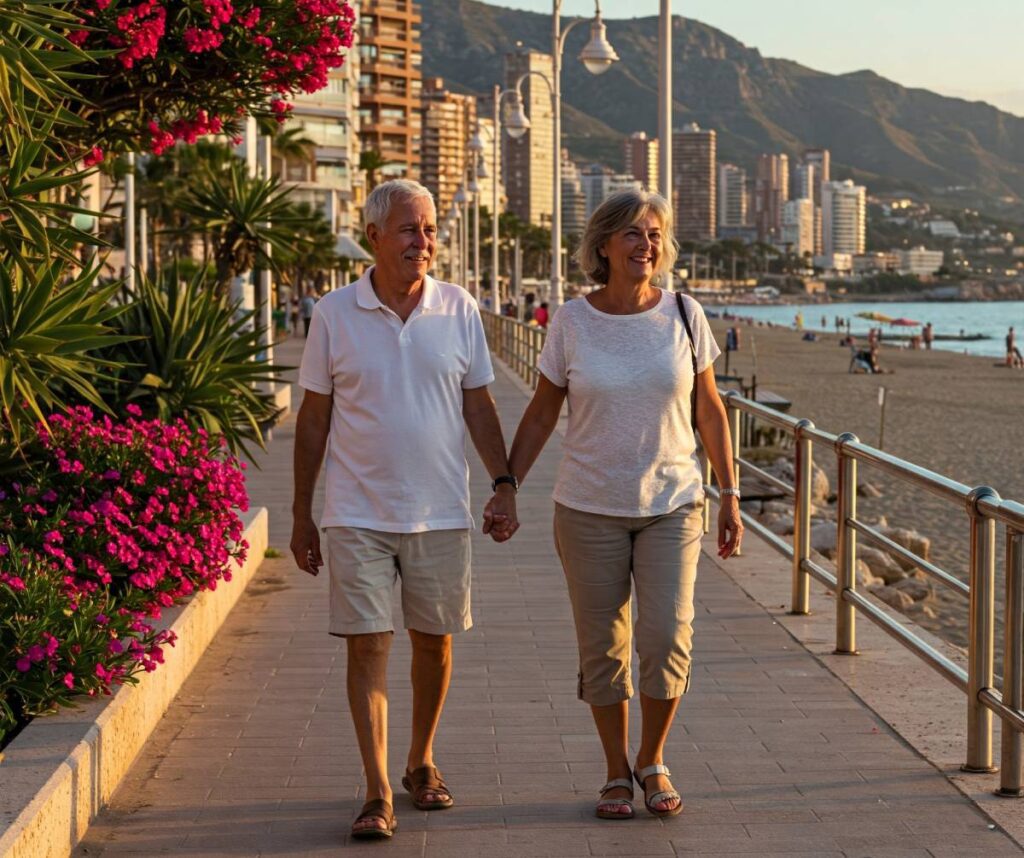
When you arrive in Spain to begin your new life in Benidorm, the first priority is to complete the necessary legal steps to formalize your residency. This includes registering with the local Spanish authorities and obtaining your TIE (Tarjeta de Identidad de Extranjero). Within the first 30 days of your arrival, it’s essential to schedule an appointment at your nearest immigration office to apply for your TIE. This card is vital for proving your legal residency and is required for accessing public services, setting up utilities, and even signing rental agreements.
For non-EU citizens, such as British citizens post-Brexit, this step is particularly important, as Spain no longer recognizes automatic residency rights for British nationals. You will need to present the documents you used for your visa application, proof of address in Spain, and a valid passport during the TIE appointment. Meanwhile, EU nationals have a simpler process, but they too must register with local authorities and obtain a residence certificate.
Living in Spain: Post-Brexit Differences
Living in Spain post-Brexit brings some changes, especially for British citizens. While EU nationals can enjoy easier movement and residency rights, British retirees and expats must adhere to stricter immigration rules. The non-lucrative visa is a common option for British citizens, but it does not allow any work in Spain or remote work for clients or employers abroad. If you work remotely, the digital nomad visa is the route. If you’re a retiree, this may not affect you, but it’s important to be aware that residency in Spain under these visas is granted on the basis that you will not be employed in the country.
For those who plan to work in Spain, you will need to apply for a work visa separately. This process involves securing a job offer from a Spanish company, which will then sponsor your work permit application. The employer must prove that no suitable candidates within the European Union could fill the role. Only once this is approved can you legally work in Spain. Our legal team can guide you through this often-complicated process, ensuring that you comply with all necessary regulations.
Settling in Benidorm
Benidorm is known for its large expat community, so settling in should feel like home quickly. After obtaining your TIE, you’ll be able to access a range of services, from healthcare to housing. The next steps will include setting up a bank account, securing healthcare coverage, and exploring the best places to live. Whether you’re in the bustling Levante area or prefer the quieter parts of town, settling into living in Spain can be an exciting and rewarding experience.
At MySpainVisa, we specialize in helping you through these critical steps, making sure that everything from your TIE application to your integration into Spanish life is smooth and worry-free.
Cost of Living in Benidorm

How much do you need to live in Benidorm? The cost of living in Benidorm is quite affordable compared to other Spanish cities, making it a popular destination for retirees and expats. On average, to live comfortably in Benidorm, you’ll need around €1,200 to €1,800 per month, depending on your lifestyle and accommodation choices.
Breakdown of Costs for Benidorn:
- Rent/Accommodation:
- Renting an apartment in Benidorm is relatively affordable. A one-bedroom apartment in the city center typically costs between €500 and €700 per month, while outside the center, it can drop to around €400 to €600. If you prefer to buy a property in Spain, Benidorm offers a range of affordable housing options compared to other Spanish cities like Barcelona or Madrid.
- Food and Groceries:
- Basic grocery items are reasonably priced. You can expect to spend around €200 to €300 per month on groceries, depending on your dietary preferences. Dining out in Benidorm is also affordable, with a typical meal at a mid-range restaurant costing around €10 to €15 per person.
- Utilities:
- Utilities, including electricity, heating, cooling, and water, generally cost between €80 and €120 per month for a standard apartment. Internet services add another €30 to €50 to your monthly expenses.
- Transportation:
- If you plan to drive, owning a car comes with costs like fuel and insurance, but Benidorm’s public transportation is both efficient and economical. A monthly public transport pass costs around €40.
Cost Comparison with Other Spanish Cities:
Compared to cities like Madrid or Barcelona, where the cost of living can easily exceed €2,000 to €2,500 per month, Benidorm offers a more budget-friendly option without sacrificing comfort or amenities. Even other popular coastal towns, such as Marbella or Alicante, tend to be more expensive, especially in terms of property prices and rent.
In summary, Benidorm offers a fantastic balance of quality of life and affordability. Whether you are a retiree looking for a relaxed, sunny environment or an expat seeking a more affordable life in Spain, Benidorm provides an attractive and cost-effective solution.
Retiring in Benidorm
If you’re considering retiring in Benidorm, you’re probably wondering, how much do you need to retire comfortably? The good news is that Benidorm, with its sunny climate, vibrant community, and affordable cost of living, offers a fantastic option for retirees. On average, you will need around €1,500 to €2,000 per month to enjoy a comfortable retirement in Benidorm, although this depends on your personal lifestyle and preferences.
Cost of Living for Retirees
The cost of living for retirees in Benidorm is lower compared to other major European cities, which makes it an attractive destination for those looking to stretch their pensions. Key expenses include rent, utilities, food, and healthcare. For example:
- Rent: If you’re renting, expect to pay between €500 and €800 per month for a one- or two-bedroom apartment, depending on location.
- Groceries and Dining: Food and daily necessities typically cost around €200 to €300 monthly, with dining out being a cost-effective option.
- Healthcare: Spain offers excellent healthcare services, and retirees can often access public healthcare once they establish residence in Spain, but many also opt for private health insurance, which adds to the monthly budget.
Comparing Other Retirement Destinations in Spain
While Benidorm offers many advantages, it’s important to consider all your options. Spain has various popular retirement spots depending on your lifestyle preferences. For example, I’ve written articles about retiring in Barcelona, where the cost of living is higher but offers vibrant city life, and retiring in Málaga, known for its coastal beauty and rich cultural heritage. If you’re more drawn to island life, moving to the Canary Islands or settling in Mallorca provides a more tranquil environment. For those who prefer a mix of culture and beach life, retiring in Valencia is also an option worth considering.
Benidorm stands out due to its affordable living, active expat community, and excellent amenities, making it a top choice for retirees seeking sun, affordability, and convenience. Wherever you choose to retire in Spain, having the right legal support for your residence in Spain and understanding the nuances of Spanish property law are essential steps.
Where Do Expats Live in Benidorm?
Benidorm is a highly popular destination for expats, offering a wide range of neighborhoods that cater to different lifestyles and preferences. The most sought-after areas for expatriates, especially British citizens, are Playa de Levante and the Casco Antiguo (Old Town), each offering a unique living experience.
Playa de Levante
This bustling area is the vibrant heart of Benidorm’s international tourism, making it ideal for expats who thrive on energy, convenience, and having everything at their fingertips. Stretching along the famous Levante Beach, it’s a hive of activity packed with a vast array of bars, diverse restaurants, and a lively nightlife scene, attracting a significant number of British and other international expats. Many services here are offered in English, and you’ll find numerous British-style pubs, international shops, and supermarkets catering to familiar tastes, ensuring everything you need is virtually at your doorstep. It’s particularly popular among active retirees and those who enjoy a dynamic social scene with easy access to the beach and a constant stream of entertainment. Levante is the perfect spot if you’re looking to seamlessly integrate into a lively, well-established expat community where something is always happening.
Casco Antiguo (Old Town)
For expats seeking a more authentic and tranquil Spanish living experience, the Casco Antiguo (Old Town) presents an irresistible charm. This historic heart of Benidorm enchants with its narrow, winding cobblestone streets, traditional whitewashed Spanish architecture, and a distinctly slower, more relaxed pace of life. It’s a favored enclave for those wishing to immerse themselves in the local culture, discover authentic tapas bars tucked away in picturesque squares, and enjoy proximity to historical landmarks like the Balcón del Mediterráneo and the iconic blue-domed church. While offering a peaceful retreat from the main tourist buzz, it still provides convenient access to modern amenities and the nearby beaches. Many British and other European expats are drawn to the Old Town for its unique character, cultural richness, and a genuine taste of Spain.
Other Popular Areas in Benidorn
Beyond Levante and the Old Town, Benidorm and its immediate surroundings offer several other appealing residential areas, each with its own distinct character:
- Playa de Poniente: Relaxed Sophistication Stretching westwards from the Old Town, Poniente Beach offers a more laid-back, spacious, and often more family-oriented atmosphere compared to Levante. This area, frequently considered more upmarket, especially along its beautifully redeveloped, palm-lined promenade, features modern apartment complexes and high-quality residential developments (“urbanizaciones”). It’s a popular choice for families, long-term residents, and retirees seeking tranquility, excellent amenities, and a slightly more refined environment with wide, sandy beaches, all while maintaining good access to the city’s central attractions. Property here, particularly with sea views, can be at a higher price point.
- Rincón de Loix: Lively and Familiar Situated at the eastern end of Levante beach, beyond the main strip, Rincón de Loix can be seen as an extension of Levante’s lively atmosphere and is particularly popular with British expats. It offers a comprehensive range of entertainment, numerous bars, cafes, and restaurants catering to international tastes, along with many high-rise apartments providing great sea views and a bustling, holiday-like feel year-round.
- Sierra Helada Natural Park Borderlands: Tranquility with a View For those who prioritise nature, breathtaking sea views, and a bit more seclusion, the residential areas that skirt the edges of the Sierra Helada Natural Park are ideal. While still relatively close to Benidorm’s amenities, this zone offers a quieter, more residential lifestyle with fantastic opportunities for hiking, cycling, and enjoying the stunning coastal scenery away from the main hustle and bustle.
- La Cala (Cala de Finestrat & Cala de Villajoyosa): Coastal Village Appeal Technically just beyond Benidorm’s municipal border but often considered part of the ‘greater Benidorm’ area by many expatriates, these neighbouring coves offer a distinctly more tranquil, almost village-like residential feel. Cala de Finestrat and the nearby Cala de Villajoyosa are popular with those seeking a quieter coastal life with beautiful, sheltered beaches, a good selection of local shops and restaurants, while still being only a short drive or bus ride from Benidorm’s main attractions and larger supermarkets.
The preferences of expats vary greatly depending on individual lifestyle choices, age, and what they seek from their life in Spain. While some, including many British citizens, tend to gravitate toward the livelier, service-rich areas like Levante and Rincón de Loix, others from various European Union countries and beyond might prefer the more tranquil settings like Poniente, the Old Town, or La Cala. Regardless of the area you choose, Benidorm offers a fantastic blend of modern amenities, vibrant communities, and traditional Spanish charm, making it a consistently top destination for expats from around the world.
Can you just move to Benidorm?
Yes, you can move to Benidorm, but non-EU citizens, like British or American nationals, need to apply for a visa (e.g., non-lucrative visa). EU citizens can relocate with minimal paperwork, but both groups must register with Spanish authorities if staying more than 90 days.
How much do you need to live in Benidorm?
To live comfortably in Benidorm, you will need around €1,200 to €1,800 per month, depending on your lifestyle. This estimate covers rent, groceries, utilities, and leisure activities. Rent for a one-bedroom apartment can range from €500 to €800, and additional costs like food and transport are generally affordable compared to other Spanish cities.
How much do you need to retire to Benidorm?
To retire comfortably in Benidorm, you will typically need around €1,500 to €2,000 per month. This amount covers rent, utilities, groceries, healthcare, and leisure activities. Costs may vary depending on whether you rent or buy property and your personal lifestyle.
Where do expats live in Benidorm?
Expats in Benidorm commonly live in areas like Playa de Levante, known for its vibrant beach atmosphere and active social scene, and the Old Town (Casco Antiguo), which offers a quieter, more traditional Spanish lifestyle. Other popular areas include Poniente Beach for a more relaxed environment, attracting retirees and families who prefer a peaceful setting. These neighborhoods cater to different lifestyles, from those seeking a bustling expat community to those desiring a more tranquil experience.
Is Benidorm a good place to live?
Benidorm can be an excellent place to live, especially if you appreciate a sunny Mediterranean climate, a relatively affordable cost of living compared to other European cities, and a vibrant expatriate community. It offers beautiful beaches, extensive leisure activities, and good amenities. However, its suitability depends on your preference for a lively, tourist-friendly environment, particularly during peak season, versus a quieter, more traditional Spanish setting.
How long can Brits stay in Benidorm?
British citizens can stay in Benidorm (and the rest of the Schengen Area, including Spain) without a visa for up to 90 days within any 180-day period for tourism or short visits. For stays longer than 90 days, Brits need to apply for a specific Spanish visa or residency permit, such as a Non-Lucrative Visa or a work visa, depending on their circumstances.
What to be careful of in Benidorm?
While Benidorm is generally considered a safe and welcoming destination, it’s wise to be careful of a few things common to popular tourist areas. Be vigilant against pickpockets, especially in crowded places like markets, on beaches, or in nightlife hotspots; always keep your valuables secure. Protect yourself from the strong Mediterranean sun by using sunscreen and staying hydrated. Additionally, be aware of your surroundings, especially at night, and be cautious with unsolicited offers from street vendors.
I am British and want to move to Benidorm. What is the process now that we are outside the EU?
Since Brexit, British citizens are treated as non-EU nationals, so a move to Benidorm needs a residence visa applied for at the Spanish consulate that covers your UK address, before you travel. Which route fits depends on whether you will be living on savings and pension, working remotely for a non-Spanish employer, or setting up something locally. Once you arrive you register at the town hall, get your residence card and sort out health cover. Our Benidorm relocation guide and our guide to moving to Spain from the UK walk through it. Tell us your circumstances and we will tell you which route applies.