Difference between Spanish visa and Spanish passport
If you came here looking for the Spanish passport itself, the short version is this. It is issued only to Spanish nationals, so it is not a document you apply for on its own. You get it once you are Spanish, and becoming Spanish is the part that takes the work. A visa is the other thing entirely: the document that lets a foreigner come here in the first place. The rest of this page sets both side by side.
A Spanish visa and a Spanish passport are different documents that serve different purposes. A Spanish Passport is an official document issued by the Spanish government to its citizens that allows them to travel to other countries and serves as proof of identity and citizenship. With a Spanish passport, the resident can enter and exit Spain as often as they want without needing a visa.
On the other hand, a Spanish visa is a document that allows foreign nationals to enter Spain for a specific purpose and duration of time. Spanish consulate or embassy in the foreigner’s home country grants the pass and it specifies the reason for the visit and the length of time the person is allowed to stay in Spain.
A Spanish passport is issued to Spanish citizens and permits them to travel freely. A Spanish visa is issued to foreign nationals who want to visit Spain for a specific purpose and duration.
Difference Between a Spanish Passport and a Spanish Visa
If you’re planning to travel to Spain, it’s essential to understand the difference between a Spanish passport and a Spanish visa. These two documents have different purposes and requirements and having the documentation can make all the difference in making your travel plans successful.
Spanish Passport: Purpose and Requirements
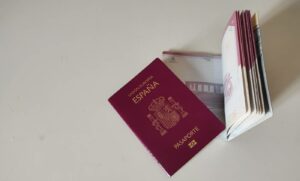
A Spanish passport is an official document issued by the Spanish government to its citizens. It serves as proof of identity and citizenship, allowing Spanish citizens to travel to other countries without requiring a visa. With a Spanish passport, Spanish citizens can enter and exit Spain as often as they want without additional documentation.
To apply for a Spanish passport, you must be a Spanish citizen and meet specific requirements, such as applying in person with proof of identity and citizenship. You do not need to live in Spain: Spanish consulates issue passports to citizens who live abroad. Obtaining a Spanish Passport at a consulate abroad can take several weeks, so it’s essential to plan accordingly and ensure you have enough time before your planned travel.
Spanish Visa: Purpose and Requirements
A Spanish visa. On the other hand, is a document issued to foreign nationals who want to enter Spain for a specific purpose and duration. The Spanish Visa allows foreign nationals to enter Spain for purposes such as tourism, business or education, depending on the type of visa issued. The Spanish consulate or embassy in the foreigner’s home country issues the pass and specifies the reason for the visit and the length of time the person is allowed to stay in Spain.
To apply for a Spanish visa, you must meet specific requirements, such as offering proof of the purpose of your visit, your financial means to support yourself during your stay and your intention to return to your home country after your visit. Liable on the type of pass you’re applying for, additional requirements may apply, such as a medical or police clearance certificate.
Different Spanish Visa Types
If you are a foreigner who wishes to enter Spain for any reason, you may need to obtain a visa. A visa is a document that allows you to enter a foreign country for a specific period and purpose. Types of Spanish visas are available, each with specific requirements and validity periods. Here are some of the most common types of Spanish visas:
Short-Term Visas
Short-term visas, well-known as Schengen visas, allow foreigners to enter Spain for tourism, business or other short-term stays. The duration of stay allowed on a short-term visa is a maximum of 90 days in any 180-day period. There are several types of short-term visas, including:
- Tourist Visa: A tourist visa is for those who want to visit Spain for tourism purposes.
- Business Visa: A business visa is for those who want to visit Spain for business purposes.
- Medical Visa: A medical visa is for those who want to visit Spain for medical treatment.
- Short-stay Student Visa: A study visa is for those who want to study in Spain.
- Transit Visa: A transit visa is for those who are transiting through Spain to another destination.
Spanish long-Term Visas
Long-term visas are for those wishing to stay in Spain for more than 90 days. There are several types of long-term visas, including:
- Non-working (non-lucrative) visa: People who want to live in Spain without working, retirees or people who live on passive income.
- Long-stay study visa:A student visa is for those who want to study in Spain.
- Family Reunification Visa: A Family Reunification visa is for those who want to join their family members already residing in Spain.
- Startup Visa Spain: An entrepreneur visa is for those who want to start a business in Spain. The business has to be innovative
- Investment Visa: the Golden Visa was for those investing in Spain. It closed to new applications in April 2025.
- Visa to work in Spain: A work visa is for those who want to work in Spain.
- Visa for digital nomads: People who want to live in Spain working remotely from a non-Spanish company.
- Self-employment visa: People who want to be self-employed in Spain and open a business.
How you actually get a Spanish passport
There is no passport application for foreigners, and there is no investor route to one either. The passport follows nationality, and nationality follows residence.
Article 22 of the Civil Code asks for ten years of legal residence as the rule. Five years for recognised refugees. Two if you are a national of origin of an Ibero-American country, Andorra, the Philippines, Equatorial Guinea or Portugal, or if you are Sephardic. One year is enough if you were born in Spain, or if you have been married to a Spanish national for a year and are not separated. In every case the residence has to be legal, continuous, and immediately before you apply.
Once nationality is granted and you have sworn the oath, you apply for your DNI and your passport like any other Spanish citizen. Nobody asks you for a visa again.
What the passport is actually worth is easy to undersell. A Spanish passport is an EU passport, which carries the right to live, work and study in any country in the European Union without asking permission from anyone, and to be treated as a local when you get there. That right does not come from the booklet. It comes from the nationality behind it.
The honest part is the timeline. For most people it is ten years of legal residence before the clock even starts, which is why the visa you choose at the beginning matters so much. Tell us how long you have been resident and we will tell you where you stand.
What Types of Spanish Passports Are There?
If you are a Spanish citizen and want to travel abroad, you will need a Passport. A Spanish Passport is an official document issued by the Spanish government that certifies your identity and nationality. Types of Spanish passports are available, each with specific requirements and validity periods.
- Regular Spanish Passport: The regular Spanish Passport is the most common Passport issued to Spanish citizens. It is valid for 2 years if the holder is under 5, 5 years up to age 30 and 10 years from age 30, and it cannot be extended: you apply for a new one (Royal Decree 896/2003, article 5). You apply in person with your DNI as proof of identity and citizenship, a recent colour photo and the fee. You can do it in Spain or, if you live abroad, at a Spanish consulate, which can accept your current passport or a recent birth certificate instead of the DNI (article 4). In Spain the law sets a maximum of two working days to issue it, unless technical or exceptional circumstances prevent it (article 4). At a consulate abroad it can take several weeks.
- Spanish Diplomatic Passport: A Spanish diplomatic passport is a special passport issued to Spanish diplomats and other government officials who travel abroad on official business. It is also issued to members of the Spanish royal family. A diplomatic passport is usually valid for three years, extendable to five mainly for ambassadors, diplomats and Foreign Ministry staff serving abroad, and it can be renewed for periods of the same length (Royal Decree 1123/2008, article 5).
- Spanish Official Passport: A Spanish Official passport is another type of Passport issued to Spanish government officials and employees who travel abroad on official business. In Spain it is called the service passport (pasaporte de servicio). It is valid for up to five years and only while the post that justified it lasts (Royal Decree 396/2025, article 5). The Ministry of Foreign Affairs issues it case by case, for example to civil servants posted to Spanish embassies and consulates, and you must already hold a valid ordinary passport.
- Temporary Spanish Passport: A temporary Spanish passport is issued to Spanish citizens who need to travel abroad but do not have a valid Passport. It is lawful for a maximum of one year and usable for one trip. To obtain a temporary Spanish passport, you must provide proof of your need to travel, such as a medical emergency or a death in the family.
- Passports for children: there is no separate child passport. Children get the ordinary passport, valid for 2 years if they are under 5. For children under 14 living in Spain without a DNI, it lasts until they turn 14 and never more than 5 years. You must provide proof of the child’s identity, citizenship and the consent of the parents or whoever holds parental authority.
Do you need a visa if you have a Spanish passport?
You do not need to have a Spanish visa if you have a Spanish passport.
Are passports and visas the same thing?
It is not the same to have a passport than a visa, with the visa you have to fulfill some requirements for the renewal the following years and you are limited to 90 days in the Schengen zone, except Spain. With a passport you do not have to fulfill any requirements and you can travel freely in the Schengen zone.
What are the advantages of a Spanish passport?
The advantages of having a Spanish passport are that it allows you to vote, you can travel freely in the Schengen zone and you do not have to meet any requirements to renew your visa. If you want to obtain your Spanish nationality we will help you through the whole process.
Conclusion About Spanish passports and Spanish visa
In conclusion, a Spanish passport is an official document issued by the Spanish government that certifies your identity and nationality. It allows Spanish citizens to travel abroad without a visa, depending on the country. On the other hand, a Spanish visa is a document that permits foreigners to enter Spain for a specific purpose and period. Depending on the type of visa; it may allow for a short-term or long-term stay in Spain. A Spanish passport and Visa are essential documents for international travel and it is crucial to obtain the appropriate one depending on your needs and circumstances.